Galaxies
Galaxies are vast collections of stars, gas, dust, and dark matter, held together by gravity. They come in many shapes and sizes - from majestic spirals to sprawling ellipticals. Our own Milky Way is just one of trillions.

Andromeda Galaxy (M31)
Our closest major galactic neighbor. Andromeda is on a collision course with the Milky Way and they will merge in about 4.5 billion years. It contains roughly one trillion stars.
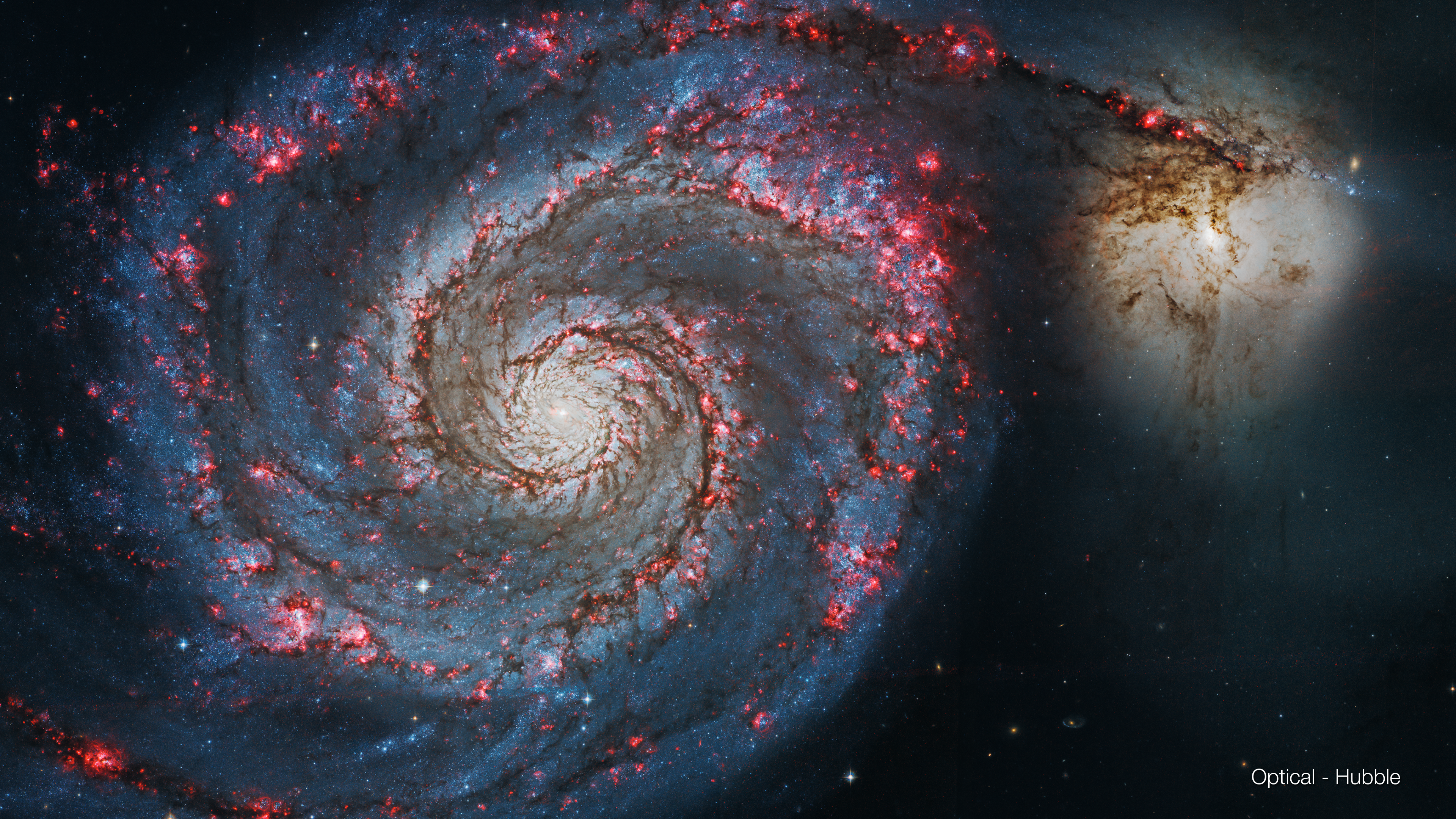
Whirlpool Galaxy (M51)
A classic grand-design spiral galaxy with prominent arms. Its companion galaxy NGC 5195 is gravitationally interacting with it, creating stunning tidal streams.
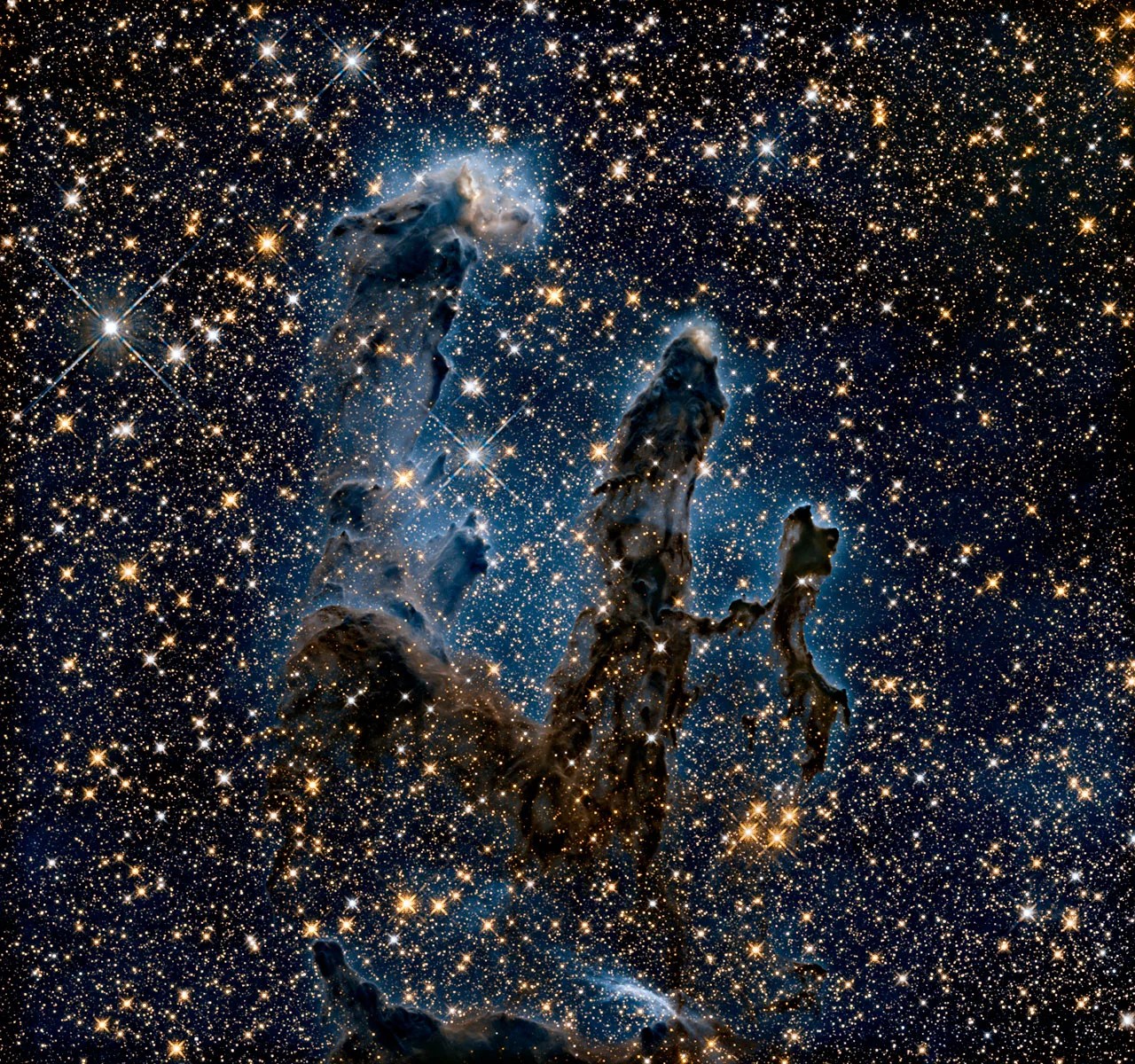
Sombrero Galaxy (M104)
Famous for its bright nucleus and large central bulge, giving it a sombrero-like appearance. It has a supermassive black hole at its center.
Triangulum Galaxy (M33)
The third-largest member of the Local Group after Andromeda and the Milky Way. It may be a satellite of Andromeda and is rich in star-forming regions.
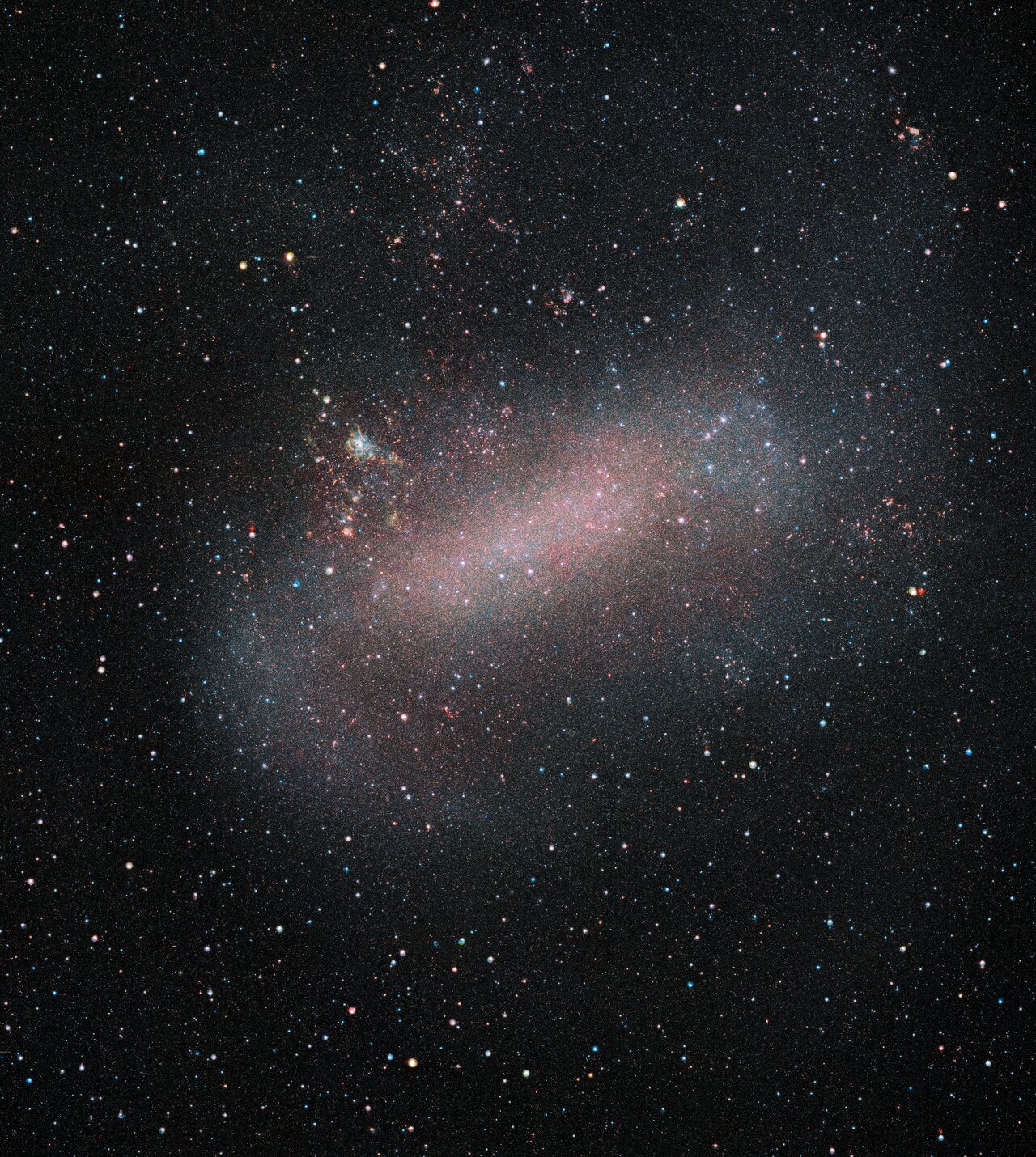
Large Magellanic Cloud
A satellite galaxy of the Milky Way, visible to the naked eye from the southern hemisphere. It is the site of the most powerful supernova observed in centuries (SN 1987A).

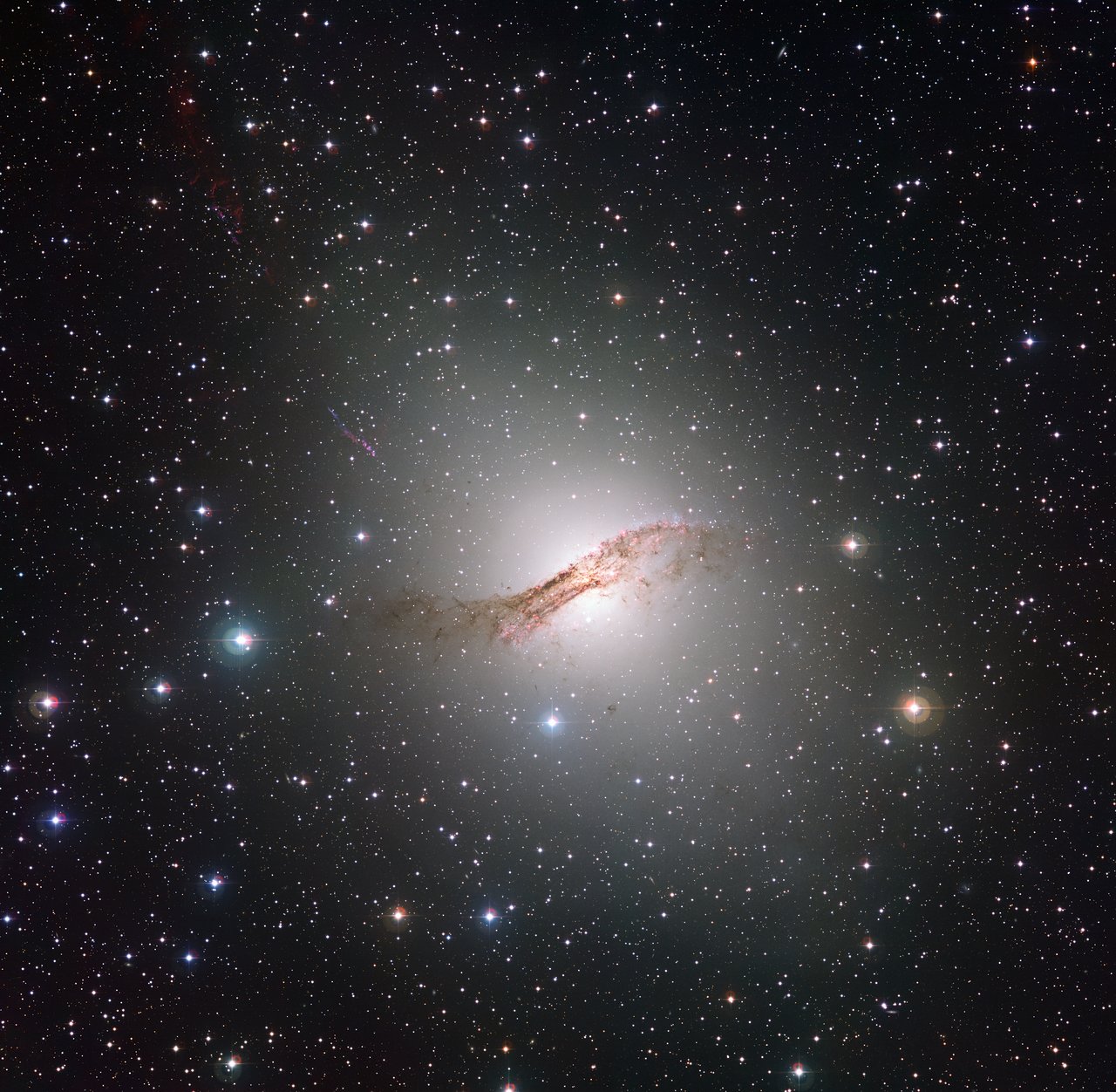
Centaurus A (NGC 5128)
One of the brightest and most-studied radio galaxies in the sky. Its distinctive dust lane suggests it was formed by a merger between a giant elliptical and a spiral galaxy.